
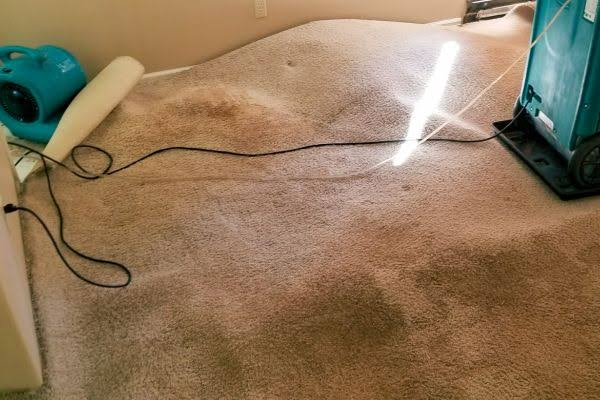
Few things sink a homeowner’s heart like the squelch of a soaked carpet underfoot. Carpet water damage often starts quietly, then spreads fast, ruining flooring, weakening subfloors and inviting mould. Knowing the most common culprits helps you act early and avoid expensive repairs.
Burst or Leaking Pipes
Pipes hidden in walls, ceilings and floors can corrode, crack or loosen over time. A slow leak may go unnoticed for weeks, soaking carpet from underneath. Musty smells, stained walls and unexplained spikes in your water bill are common warning signs.
Appliance Malfunctions
Washing machines, dishwashers, fridges with water dispensers and hot water systems all rely on hoses and seals that wear out. A cracked hose or faulty valve can release litres of water in minutes. Check connections regularly and replace ageing hoses before they fail.
Roof Leaks and Storm Damage
Cracked tiles, damaged flashing and worn sealant let rainwater seep into your ceiling cavity and drip onto the carpet below. Heavy storms make things worse, so inspect your roof after severe weather and repair small issues promptly.
Blocked Gutters and Poor Drainage
When gutters clog with leaves and debris, water overflows and pools around your foundations. From there it can seep through walls or under doors, saturating carpet along the edges of rooms. Keep gutters and downpipes clear, and make sure the ground slopes away from your home.
Blocked Drains and Sewage Backups
Blocked toilets, showers and stormwater drains can overflow indoors. This kind of flooding is especially serious because the water may contain bacteria, and contaminated carpet usually needs professional cleaning or replacement.
Humidity and Condensation
Not all damage comes from a dramatic flood. Poor ventilation in bathrooms, laundries and bedrooms traps moisture, which settles into carpet fibres and underlay. Over time this creates the perfect environment for mould, and it’s a leading reason homeowners seek mould removal Randwick specialists after dampness goes untreated.
Leaking Windows and Doors
Worn seals and cracked frames allow rain to creep inside, particularly during wind-driven storms. Carpet near windows and sliding doors is often the first to show dark patches or a damp smell.
What to Do If Your Carpet Gets Wet
Speed matters. Once carpet stays wet for more than 24 to 48 hours, mould can begin to grow. Follow these steps:
- Stop the source of water if it’s safe to do so.
- Move furniture and valuables off the carpet.
- Remove standing water and increase airflow with fans and open windows.
- Contact a professional for extraction, drying and moisture testing.
Trying to dry thick underlay yourself often leaves hidden moisture behind, which leads to smells, staining and structural problems later.
Protect Your Home Before Damage Strikes
Regular maintenance, prompt repairs and good ventilation are your best defence against carpet water damage. If you’ve already spotted dark patches, a musty odour or visible growth, don’t wait. Professional mould removal in Randwick can assess the affected areas, treat the problem at its source and help restore a healthy home.
Act quickly, and a wet carpet doesn’t have to become a major disaster. For fast help with mould removal Randwick homeowners can rely on, call a local restoration expert today.


